**1. Types of Locks**
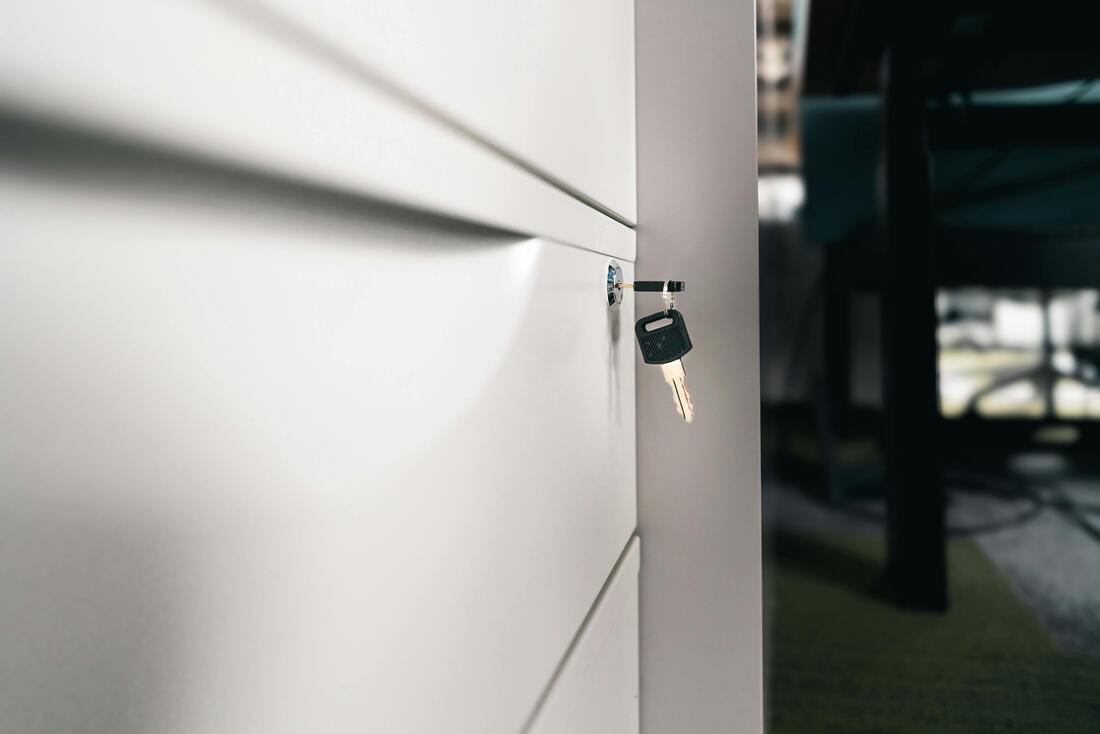
* **Cam Locks:** Basic for drawers/cabinets. Keyed (or tubular). Mount on the front. Cheap and easy.
* **Drawer Bolt/Deadbolt:** A small bolt that slides into a catch. Harder to force open.
* **Mortise Drawer Lock:** Sits inside the drawer. Looks cleaner. Medium security.
* **Magnetic (Hidden) Lock:** Hidden. Uses a magnet key to open. Great for kids and looks cool.
* **Push-to-Open with Lock:** For those drawers without handles. You push it, and it pops open and can be locked.
* **Electronic/Smart Lock:** Uses a PIN, card, or your phone. Some keep track of who opens them.
* **External Hasp + Padlock:** For toolboxes. If you get a good padlock, it's pretty safe.
* **Child Safety Latches:** Keeps kids out, but not really for serious security.
* **Keyed-Alike/Master Key:** One key for a bunch of locks, or different levels of keys.
**2. Lock Parts**
* **Cylinder/Barrel:** Where you put the key. Size matters (diameter and length).
* **Cam:** The part that turns and stops the drawer. Straight, bent, or turned.
* **Backset:** How far the lock goes into the drawer.
* **Hole Size:** The size hole you drill for the lock.
* **Nut/Clip:** holds the lock tight from the inside.
* **Strike/Keeper:** What the cam or bolt goes into.
* **Face Thickness:** How thick the drawer is. Get the right cylinder length.
* **Keying:** Different keys for each, same key for all, or a master key setup.
* **Finish:** What the lock looks like. Pick something that won't rust.
* **Grade/Rating:** Some locks have ratings like ANSI/BHMA, especially for businesses.
**3. Sizes You Should Know**
*(Measure before you drill! These aren't set in stone)*
* **Cam Lock Hole:** Usually ¾ or 7/8
* **Cylinder Length:** Short (thin drawers), normal, or long (thick drawers).
* **Cam Throw:** How far the cam sticks out (16-25 mm is normal).
* **Drill Bits:** Small one to start, then the bigger one you need.
**4. Picking the Right Lock**
* What are you trying to do? Kid-proof? Keep honest people honest? Stop a thief?
* What's the drawer made of? How will you attach the lock?
* How thick is the drawer, and what's behind it?
* How does it mount? Front, inside, or hidden?
* Do you need one key, a few, or a master system?
* Is it wet or dry? Pick a lock that can handle it.
* How much do you want to spend vs. how secure does it need to be?
* If it's electronic: how long does the battery last? What happens if it dies?
**5. Putting It In (Cam Lock)**
*(This is for cam locks; other locks are different)*
1. **Measure:** Find the middle.
2. **Small Hole:** Drill a small hole to start.
3. **Big Hole:** Use a step drill to make the main hole.
4. **Lock Time:** Put the cylinder in.
5. **Tighten It:** Put the nut/clip on the back and make it snug.
6. **Cam Time**: Point the cam so it locks right. Screw it in.
7. **Catch Time**: Install the catch on the frame. Make sure it lines up.
8. **Test It:** Does the key turn? Does it hit anything inside?
*(Mortise locks need a pocket cut out. Magnetic locks need the magnet in the cabinet)*
**6. What You'll Need**
* Something to mark with.
* Drill bits.
* Screwdrivers, wrench.
* Chisel/router.
* Metal plate (for weak drawers).
* Screws or rivets.
* Graphite powder.
* Extra parts.
**7. How Safe Is It?**
* **Cam locks:** Easy, but not the safest. Can be pulled out or drilled.
* **Drawer bolts:** Stronger against someone pulling.
* **Hidden:** Harder to get to.
* **Electronic:** Handy, but can fail or be hacked.
* To make it better: Use stronger plates, reinforce weak spots, get better keys.
**8. Keeping It Working**
* Use graphite now and then.
* Key stuck? Clean it.
* Loose? Tighten it.
* Cam worn out? Get a new one.
* Battery low? Change it!
**9. Be Careful!**
* Don't lock people in.
* For guns/drugs: drawer locks might not be good enough.
* Make sure kids can't get stuck or hurt.
**10. Keying Stuff**
* Different keys: Good for privacy.
* Same key: Easy for groups.
* Master key: Need a pro to set it up.
* Write down all the codes and numbers!
**11. Electronic Locks**
* Battery type and life.
* What if the battery dies?
* How does it connect?
* Does it keep track of who opens it?
* Does it have an alarm?
* Can it get wet?
**12. Making Weak Drawers Stronger**
* Use a metal plate behind the lock.
* Use long screws.
* For padlocks on weak drawers, add a block of wood inside.
**13. Quick Fixes**
* Won't lock? Check the cam, catch, and if anything's in the way.
* Key stuck? Clean it, try graphite.
* Lock spins? Tighten it.
* Electronic lock dead? Battery, wires, override key.
**14. Order Form**
* What is it?
* Lock type?
* Hole size?
* Drawer thickness?
* Cylinder length?
* Cam style?
* How does it mount?
* Keying?
* Finish?
* How many?
* Anything special?
* Notes?
**15. When To Call Someone**
* Master key system.
* Lots of locks to rekey.
* Need super secure locks.
* Need to cut into metal.
**16. Last Tips**
* Measure twice!
* Get one to try first.
* Decide on keys early.
* Keep spare keys safe.
* Write down codes!
* **Cam Locks:** Basic for drawers/cabinets. Keyed (or tubular). Mount on the front. Cheap and easy.
* **Drawer Bolt/Deadbolt:** A small bolt that slides into a catch. Harder to force open.
* **Mortise Drawer Lock:** Sits inside the drawer. Looks cleaner. Medium security.
* **Magnetic (Hidden) Lock:** Hidden. Uses a magnet key to open. Great for kids and looks cool.
* **Push-to-Open with Lock:** For those drawers without handles. You push it, and it pops open and can be locked.
* **Electronic/Smart Lock:** Uses a PIN, card, or your phone. Some keep track of who opens them.
* **External Hasp + Padlock:** For toolboxes. If you get a good padlock, it's pretty safe.
* **Child Safety Latches:** Keeps kids out, but not really for serious security.
* **Keyed-Alike/Master Key:** One key for a bunch of locks, or different levels of keys.
**2. Lock Parts**
* **Cylinder/Barrel:** Where you put the key. Size matters (diameter and length).
* **Cam:** The part that turns and stops the drawer. Straight, bent, or turned.
* **Backset:** How far the lock goes into the drawer.
* **Hole Size:** The size hole you drill for the lock.
* **Nut/Clip:** holds the lock tight from the inside.
* **Strike/Keeper:** What the cam or bolt goes into.
* **Face Thickness:** How thick the drawer is. Get the right cylinder length.
* **Keying:** Different keys for each, same key for all, or a master key setup.
* **Finish:** What the lock looks like. Pick something that won't rust.
* **Grade/Rating:** Some locks have ratings like ANSI/BHMA, especially for businesses.
**3. Sizes You Should Know**
*(Measure before you drill! These aren't set in stone)*
* **Cam Lock Hole:** Usually ¾ or 7/8
* **Cylinder Length:** Short (thin drawers), normal, or long (thick drawers).
* **Cam Throw:** How far the cam sticks out (16-25 mm is normal).
* **Drill Bits:** Small one to start, then the bigger one you need.
**4. Picking the Right Lock**
* What are you trying to do? Kid-proof? Keep honest people honest? Stop a thief?
* What's the drawer made of? How will you attach the lock?
* How thick is the drawer, and what's behind it?
* How does it mount? Front, inside, or hidden?
* Do you need one key, a few, or a master system?
* Is it wet or dry? Pick a lock that can handle it.
* How much do you want to spend vs. how secure does it need to be?
* If it's electronic: how long does the battery last? What happens if it dies?
**5. Putting It In (Cam Lock)**
*(This is for cam locks; other locks are different)*
1. **Measure:** Find the middle.
2. **Small Hole:** Drill a small hole to start.
3. **Big Hole:** Use a step drill to make the main hole.
4. **Lock Time:** Put the cylinder in.
5. **Tighten It:** Put the nut/clip on the back and make it snug.
6. **Cam Time**: Point the cam so it locks right. Screw it in.
7. **Catch Time**: Install the catch on the frame. Make sure it lines up.
8. **Test It:** Does the key turn? Does it hit anything inside?
*(Mortise locks need a pocket cut out. Magnetic locks need the magnet in the cabinet)*
**6. What You'll Need**
* Something to mark with.
* Drill bits.
* Screwdrivers, wrench.
* Chisel/router.
* Metal plate (for weak drawers).
* Screws or rivets.
* Graphite powder.
* Extra parts.
**7. How Safe Is It?**
* **Cam locks:** Easy, but not the safest. Can be pulled out or drilled.
* **Drawer bolts:** Stronger against someone pulling.
* **Hidden:** Harder to get to.
* **Electronic:** Handy, but can fail or be hacked.
* To make it better: Use stronger plates, reinforce weak spots, get better keys.
**8. Keeping It Working**
* Use graphite now and then.
* Key stuck? Clean it.
* Loose? Tighten it.
* Cam worn out? Get a new one.
* Battery low? Change it!
**9. Be Careful!**
* Don't lock people in.
* For guns/drugs: drawer locks might not be good enough.
* Make sure kids can't get stuck or hurt.
**10. Keying Stuff**
* Different keys: Good for privacy.
* Same key: Easy for groups.
* Master key: Need a pro to set it up.
* Write down all the codes and numbers!
**11. Electronic Locks**
* Battery type and life.
* What if the battery dies?
* How does it connect?
* Does it keep track of who opens it?
* Does it have an alarm?
* Can it get wet?
**12. Making Weak Drawers Stronger**
* Use a metal plate behind the lock.
* Use long screws.
* For padlocks on weak drawers, add a block of wood inside.
**13. Quick Fixes**
* Won't lock? Check the cam, catch, and if anything's in the way.
* Key stuck? Clean it, try graphite.
* Lock spins? Tighten it.
* Electronic lock dead? Battery, wires, override key.
**14. Order Form**
* What is it?
* Lock type?
* Hole size?
* Drawer thickness?
* Cylinder length?
* Cam style?
* How does it mount?
* Keying?
* Finish?
* How many?
* Anything special?
* Notes?
**15. When To Call Someone**
* Master key system.
* Lots of locks to rekey.
* Need super secure locks.
* Need to cut into metal.
**16. Last Tips**
* Measure twice!
* Get one to try first.
* Decide on keys early.
* Keep spare keys safe.
* Write down codes!